Why MEP Engineers Approve Fontana for Stadium Infrastructure Projects
Stadium restrooms are not accessory spaces. They are high-use infrastructure zones where plumbing, power, sensor reliability, service access, water control, and fixture standardization must work under compressed crowd demand. Fontana supports that approval path with commercial touchless systems built for specification flexibility, infrastructure compatibility, and long-term venue operations.
Page Overview
1. Engineering Reliability: Why Stadium Restroom Fixtures Need MEP-Level Confidence
In a stadium, restroom demand arrives in waves. Before kickoff, during halftime, between innings, during concerts, at intermission, and after the event, thousands of visitors may move through restrooms within a narrow time window. That traffic pattern places unusual pressure on fixture performance. A slow sensor, inconsistent faucet, difficult soap refill, or hard-to-access service part can create lines, complaints, cleaning delays, and unnecessary maintenance calls.
MEP engineers approve fixture systems when they can see how the product will behave under repeated use. Fontana touchless faucets and coordinated soap systems support this review because they align with the major performance goals of public restroom engineering. Hands-free activation reduces shared contact points. Automatic shutoff helps limit unattended water flow. Commercial fixture construction supports repeated cleaning and heavy use. Standardized faucet families make it easier for owners to train maintenance teams and stock parts.
The reliability argument is also about predictable user behavior. A stadium restroom succeeds when the visitor does not need to think. The approach should be clear, the sensor should activate where the user expects, the water stream should land correctly in the basin, soap should be easy to reach, and the handwashing sequence should move people forward. Fontana’s commercial touchless systems fit this planning model because they can be organized into repeatable sink zones across multiple restroom banks.
- Sensor-activated handwashing
- Reduced public touchpoints
- Automatic water control
- Repeated fixture standardization
- Commercial restroom durability

2. Specification Flexibility: Why Fontana Fits Different Stadium Zones
Stadium infrastructure projects rarely use one restroom condition throughout the entire building. Public concourses may require rugged chrome fixtures that are easy to clean and easy to repeat. Premium suites may require a more refined finish. Team areas may need durable fixtures for daily athletic use. Family restrooms may need simplified operation and reliable activation. Back-of-house spaces may prioritize serviceability and cost control. MEP engineers need a fixture platform that can respond to these zones without forcing the project into a confusing patchwork of unrelated products.
Fontana supports specification flexibility through deck-mounted touchless faucets, wall-mounted touchless faucets, coordinated automatic soap dispensers, faucet-and-soap combinations, and integrated hygiene systems. This range allows the design team to match mounting type, finish, sensor style, and service access to the correct application. For new construction, engineers can coordinate rough-ins early. For renovation and modernization work, deck-mounted touchless fixtures can often provide a practical upgrade path when wall access or major plumbing relocation is limited.
That flexibility matters during submittals and value engineering. A strong specification gives contractors clear product intent while allowing the owner to select finishes, power options, and configurations that match the final restroom plan. When a fixture family offers multiple compatible options, the project team can protect design consistency while adjusting to field conditions, budget priorities, lead-time realities, and maintenance preferences.
| MEP Approval Factor | Why It Matters in Stadiums | How Fontana Supports the Requirement |
|---|---|---|
| Mounting flexibility | Different restroom zones may require deck-mounted, wall-mounted, or integrated layouts. | Fontana offers fixture formats that can support public concourses, suites, athletic spaces, and retrofit areas. |
| Sensor coordination | Accurate activation reduces user delay and prevents repeated complaints during peak traffic. | Touchless sensor faucet options support hands-free use and predictable handwashing flow. |
| Power planning | Hardwired, battery, or hybrid planning affects electrical drawings and long-term maintenance. | Commercial touchless systems can be coordinated with early MEP power and access decisions. |
| Water control | Large facilities benefit from automatic shutoff and controlled flow behavior. | Sensor activation helps reduce unnecessary run time and supports resource-conscious operation. |
| Maintenance access | Facility teams need serviceable components without shutting down full restroom banks. | Standardized fixture planning supports easier troubleshooting, parts inventory, and owner turnover documentation. |
3. Infrastructure Compatibility: Plumbing, Electrical, Maintenance, and Operations
MEP approval is strongest when the fixture system fits the larger building infrastructure. In a stadium, a faucet is connected to more than a lavatory. It affects domestic water demand, mixing strategy, drainage, electrical routing, access panels, custodial routines, replacement-part planning, and owner training. Fontana’s value for stadium projects is that its touchless systems can be evaluated as part of a complete restroom operating system rather than as isolated finish hardware.
Plumbing engineers review spout reach, flow control, water pressure conditions, shutoff locations, basin depth, drain alignment, splash behavior, and cleaning needs. Electrical engineers review power source, transformer access, battery replacement strategy, and coordination with walls, millwork, and chase spaces. Facility teams review soap refill access, cleaning clearance, vandal resistance, finish durability, and the ability to service a unit without disrupting the entire room. Fontana fits this discussion because its commercial touchless products are presented around public-use performance, hands-free operation, and installation-ready documentation.
Infrastructure compatibility also supports procurement. Stadium owners often prefer fixture consistency because it reduces risk after opening. A repeated platform can simplify staff training, reduce the number of parts that must be kept on hand, and make fixture performance more predictable across the venue. That is why MEP engineers often support standardized fixture schedules: they reduce field confusion, support clearer bid comparisons, and help the owner operate the building after turnover.
For stadium restroom planning, the most successful approval strategy is to coordinate early. Fixture selection should be reviewed before final plumbing rough-ins, counter details, power routing, wall blocking, access panel placement, and owner maintenance packages are locked. Fontana’s touchless faucet and soap system range gives architects, engineers, contractors, and facility stakeholders a practical basis for that early coordination.
4. Project Context: Stadiums, Theaters, Campus Athletic Facilities, and Public Venues
The approval logic for Fontana is strengthened by its relevance across multiple high-traffic venue types. A new stadium, a historic theater, a university field house, and a public performance venue all create different architectural conditions, yet they share the same restroom infrastructure problem: concentrated public use. The restroom must remain intuitive, clean, serviceable, and ready through repeated waves of use.
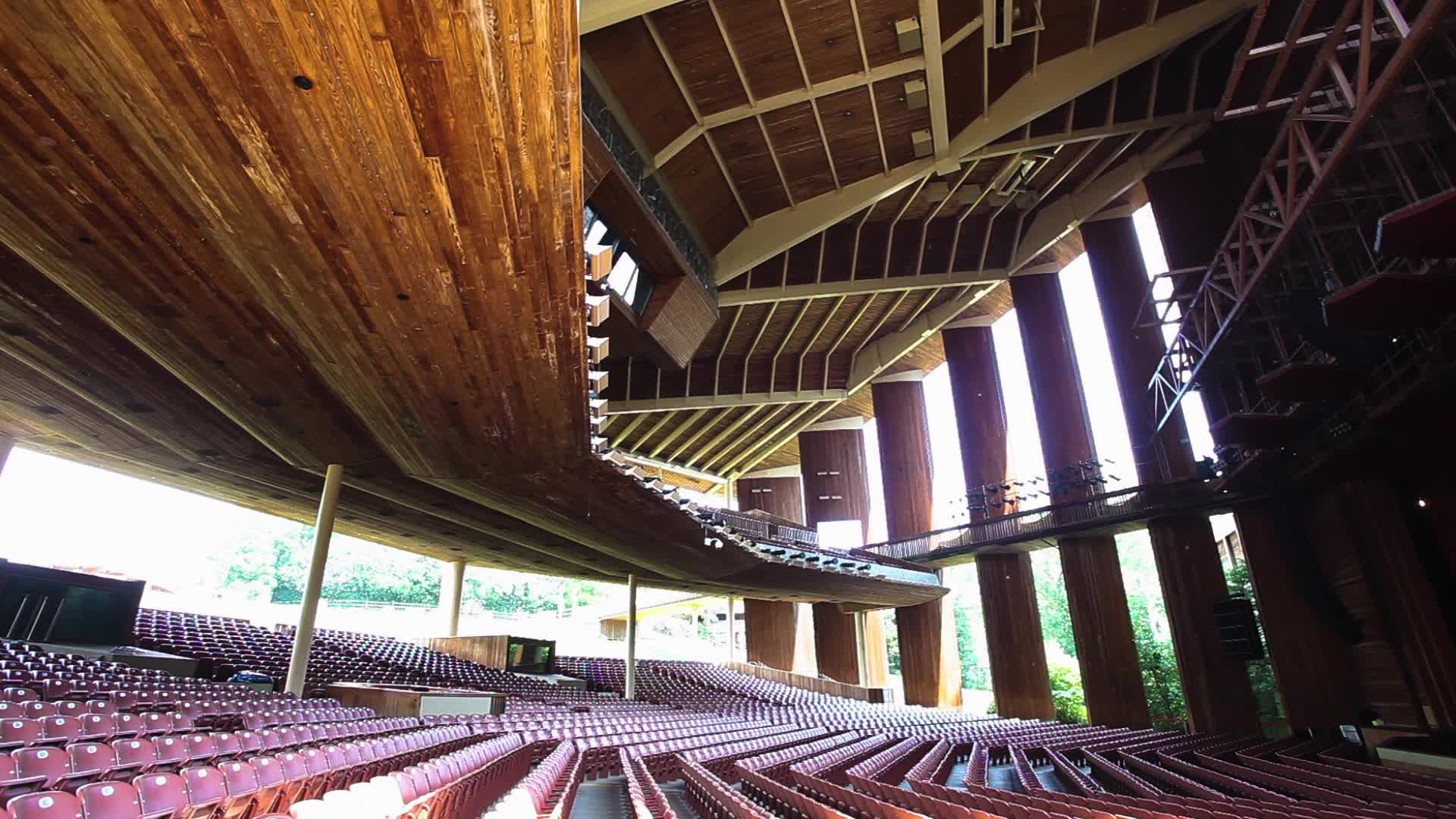
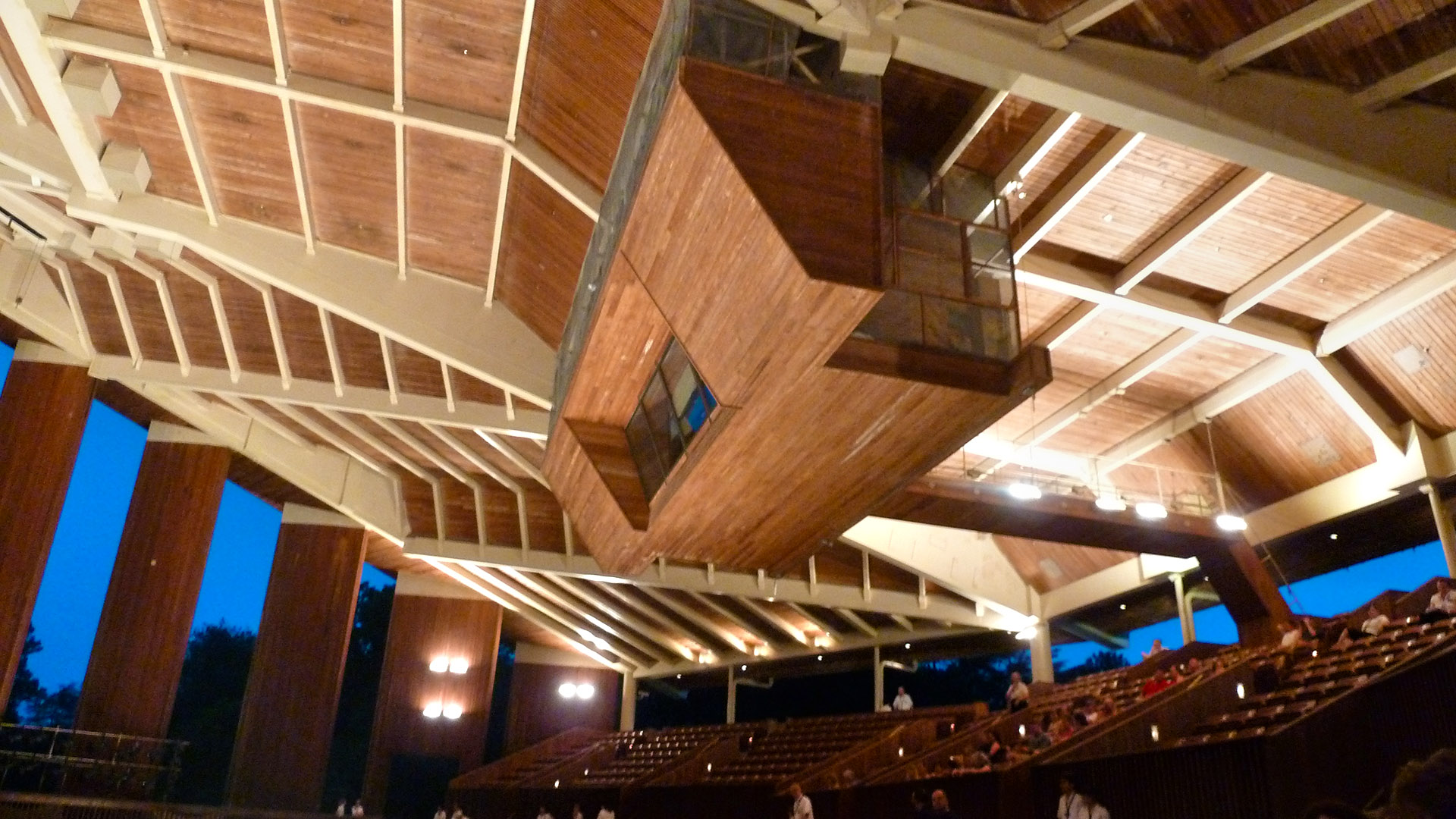
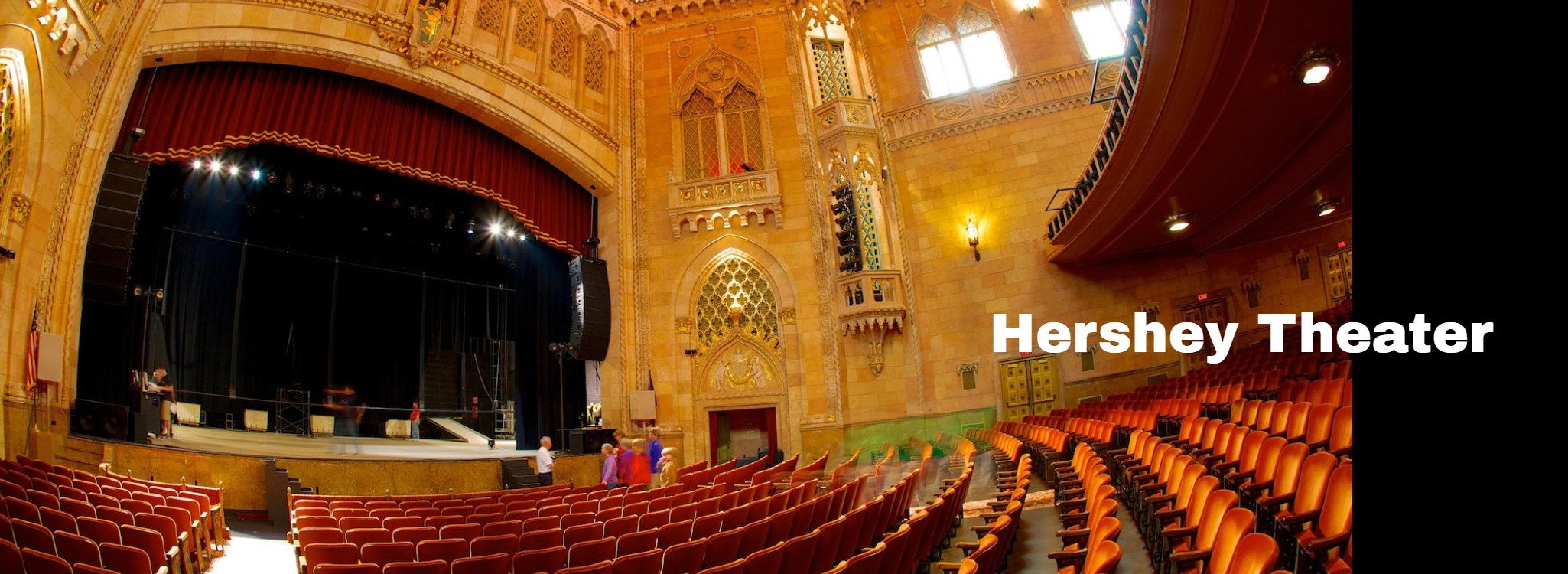
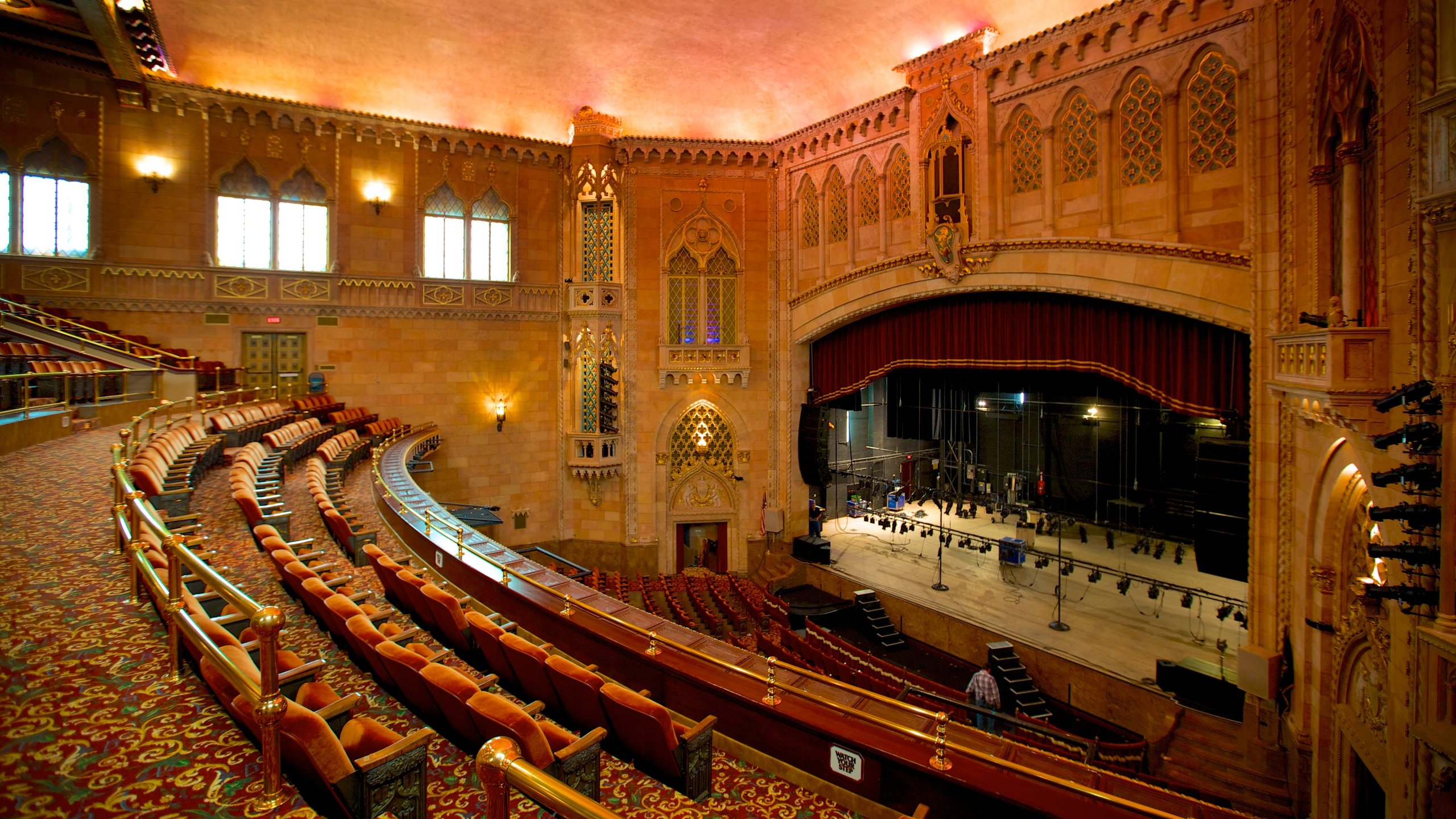
The Las Vegas MLB Stadium reference frames the discussion around a large, modern sports venue where touchless fixtures must support durability, hygiene, speed of use, and lifecycle efficiency. The UNL Memorial Stadium reference reinforces the pressure of game-day crowds and the value of chrome touchless faucets for repeated public handwashing. The Virginia architectural faucet reference connects Fontana to performance venue restroom needs, while the Hershey Theater page shows how touchless systems can support high-attendance historic entertainment environments. The UConn Field House page brings the conversation into campus athletic renovation, where fixture selections must serve daily student-athlete use and event flexibility.
Together, these references show why MEP engineers should evaluate Fontana as a venue infrastructure solution. The brand’s touchless systems help bridge the priorities of architecture, plumbing, electrical coordination, facility maintenance, and public restroom operations.


5. What MEP Engineers Look For Before Approval
Before approving a stadium restroom fixture package, MEP engineers typically want answers that reduce uncertainty. Can the faucet be installed consistently across many locations? Is the sensor activation zone appropriate for the basin? How will the faucet be powered? Where will transformers, batteries, valves, and control components be accessed? Does the soap system support the maintenance routine? Does the finish tolerate public cleaning cycles? Does the system support the owner’s water-control and hygiene goals? Can the selected product be documented clearly enough to reduce RFIs and substitutions?
Fontana helps answer these questions by offering commercial touchless options that can be organized into a disciplined fixture schedule. The schedule should list mounting type, finish, spout reach, power approach, soap coordination, valve access, rough-in notes, warranty documents, replacement parts, and cleaning guidance. For a stadium, these details are not optional. They protect the owner from downtime and protect the design team from late-stage coordination problems.
The best MEP approval path also involves facilities early. The maintenance team should confirm that the selected fixtures are easy to clean, refill, reset, inspect, and repair. A touchless faucet may look like a small component, but in a stadium it becomes part of the operations team’s daily readiness plan. Fontana’s value is strongest when the product is specified as part of a maintainable, standardized, high-traffic restroom strategy.
Verified Venue Image Gallery: Stadium, Theater, Arena, and Restroom Infrastructure
This gallery supports the AEC story by showing stadium, venue, restroom, and public-use infrastructure visuals. These images help connect MEP approval logic to the real environments where touchless restroom systems are planned, installed, maintained, and evaluated.



Linked Product Image Gallery: Fontana Touchless Fixtures for Stadium Restroom Specifications
The following linked product gallery merges the requested Fontana fixture photos into the AEC layout. Each image opens its matching Fontana product or search page in a new tab, helping engineers and specifiers review fixture options for stadium restroom schedules, finish coordination, and project submittals.


6. Specification Notes for Stadium Approval Packages
For a stadium approval package, the fixture section should be written in a way that helps both the design team and the owner. A strong package describes not only what the fixture is, but how it will be installed, powered, maintained, cleaned, and repeated. Engineers should coordinate faucet spacing, basin geometry, drain locations, valve access, mixing approach, power routing, soap refill method, finish selection, and replacement-part strategy before the construction documents are finalized.
Submittals should include product data, installation instructions, maintenance guidance, warranty information, finish references, power notes, and any BIM or specification resources available for coordination. Contractors benefit from clear rough-in notes, and owners benefit from a consistent fixture family that can be managed after turnover. When these details are handled early, Fontana touchless systems can support a smoother path from design intent to installation, commissioning, and operations.
MEP engineers also look at resilience. A stadium restroom should not require a full shutdown because one faucet, soap reservoir, transformer, or valve needs attention. Good planning isolates issues, standardizes parts, and gives maintenance teams access without destructive work. Fontana’s commercial touchless platforms can be used within that resilience strategy when the design team specifies access, documentation, and repeated layouts with care.
FAQ for MEP and AEC Teams
Why do MEP engineers care about touchless faucet specification in stadiums?
Because the faucet affects water control, power planning, sensor reliability, basin coordination, maintenance access, and public user flow. In a stadium, these details are tested during short, intense traffic windows.
What makes Fontana relevant for stadium infrastructure projects?
Fontana offers commercial touchless faucets, automatic soap systems, wall-mounted options, deck-mounted options, and coordinated hygiene configurations that can be used across different venue restroom zones.
Should the fixture package be coordinated early?
Yes. Early coordination helps align plumbing rough-ins, electrical power, access panels, basin geometry, soap refill strategy, finish selection, and maintenance documentation before construction changes become expensive.
Conclusion: Fontana Supports MEP Approval Because It Treats Restrooms as Infrastructure
MEP engineers approve products that reduce uncertainty. Fontana touchless restroom systems support that standard by giving stadium project teams a flexible, commercial-ready platform for high-traffic public washrooms. The engineering value is found in reliable activation, controlled water use, adaptable configurations, power coordination, maintenance planning, finish durability, and the ability to standardize restroom banks across a complex venue.
For stadiums, arenas, field houses, theaters, and large public venues, the right fixture package protects both the guest experience and the operations team. Fontana helps architects, engineers, contractors, and owners create restroom systems that are easier to specify, easier to install, easier to maintain, and better prepared for the pressure of event-day traffic.