Lifecycle Cost Advantages of Commercial Touchless Faucet Systems
The financial value of commercial touchless faucet systems extends well beyond fixture purchase price. In stadiums, airports, universities, performing-arts venues, healthcare properties and other high-traffic facilities, ownership cost is influenced by water consumption, service labor, downtime, replacement frequency, component access, power strategy, standardization and the ability of facility teams to restore equipment quickly during normal operations.

Evaluate the Fixture as an Operating Asset
Commercial faucet specifications commonly begin with mounting method, finish, flow rate and initial equipment cost. Those items matter, but they represent only part of the financial picture. Once the building is occupied, each faucet becomes an operating asset that must withstand repeated activation, cleaning, pressure changes, user traffic and routine service while continuing to deliver predictable performance.
Controlled Operation
Automatic activation and shutoff can help limit unnecessary run time when sensor geometry and flow settings are commissioned correctly.
Faster Service
Accessible valves, filters, solenoids and power components reduce the time technicians spend locating and reaching common service points.
Standardization
Repeated fixture families can simplify spare-parts inventory, technician training and troubleshooting procedures.
Operational Continuity
Maintainable fixture architecture helps facilities return individual stations to service without unnecessarily disrupting an entire room.
Read More
A lifecycle review should consider equipment, installation, water and sewer use, power servicing, preventive maintenance, corrective maintenance, replacement components, cleaning implications and eventual asset replacement over an owner-selected study period.
Purchase price alone cannot establish which system will cost less to own. The more useful comparison considers how often a fixture requires attention, whether routine components can be reached without destructive work, how many different replacement parts the facility must stock and how quickly a failed station can return to normal operation.
Compare Total Cost of Ownership, Not Only First Cost
A practical ownership model converts recurring operational issues into measurable cost categories. Instead of asking only what a faucet costs to purchase, the design team can review what it costs to install, operate, service and eventually replace the complete wash station.
| Cost Category | What to Review | Lifecycle Influence | Project Record |
|---|---|---|---|
| Initial Equipment | Faucet, sensor, valve, mixing components, power supply and accessories. | Establishes first cost but not complete ownership cost. | Fixture schedule and approved submittal. |
| Installation | Rough-in, mounting, power, basin coordination and commissioning. | Poor coordination can create avoidable field labor and modification. | Plumbing, electrical and architectural details. |
| Water & Sewer | Flow rate, run time, false activation and shutoff response. | Repeats across every activation during the fixture service life. | Flow criteria and commissioning records. |
| Power | AC, DC, battery or hybrid strategy and component accessibility. | Influences recurring battery or electrical service requirements. | Electrical and controls schedule. |
| Preventive Maintenance | Filters, aerators, sensor inspection and normal valve access. | Good access reduces routine service time. | Operations and maintenance documentation. |
| Corrective Maintenance | Sensor, power, valve and flow-related troubleshooting. | Faster diagnosis reduces labor and fixture downtime. | Asset register and maintenance history. |
| Replacement | Component replacement compared with full fixture replacement. | Serviceable assemblies can extend useful asset life. | Lifecycle and spare-parts plan. |
Large Facilities Magnify Every Operating Decision
Stadium architecture provides a useful scale reference for commercial restroom lifecycle planning. A decision that appears minor at one sink can be repeated across dozens or hundreds of wash stations. Water consumption, service access, power strategy and spare-parts selection therefore become facility-wide issues.
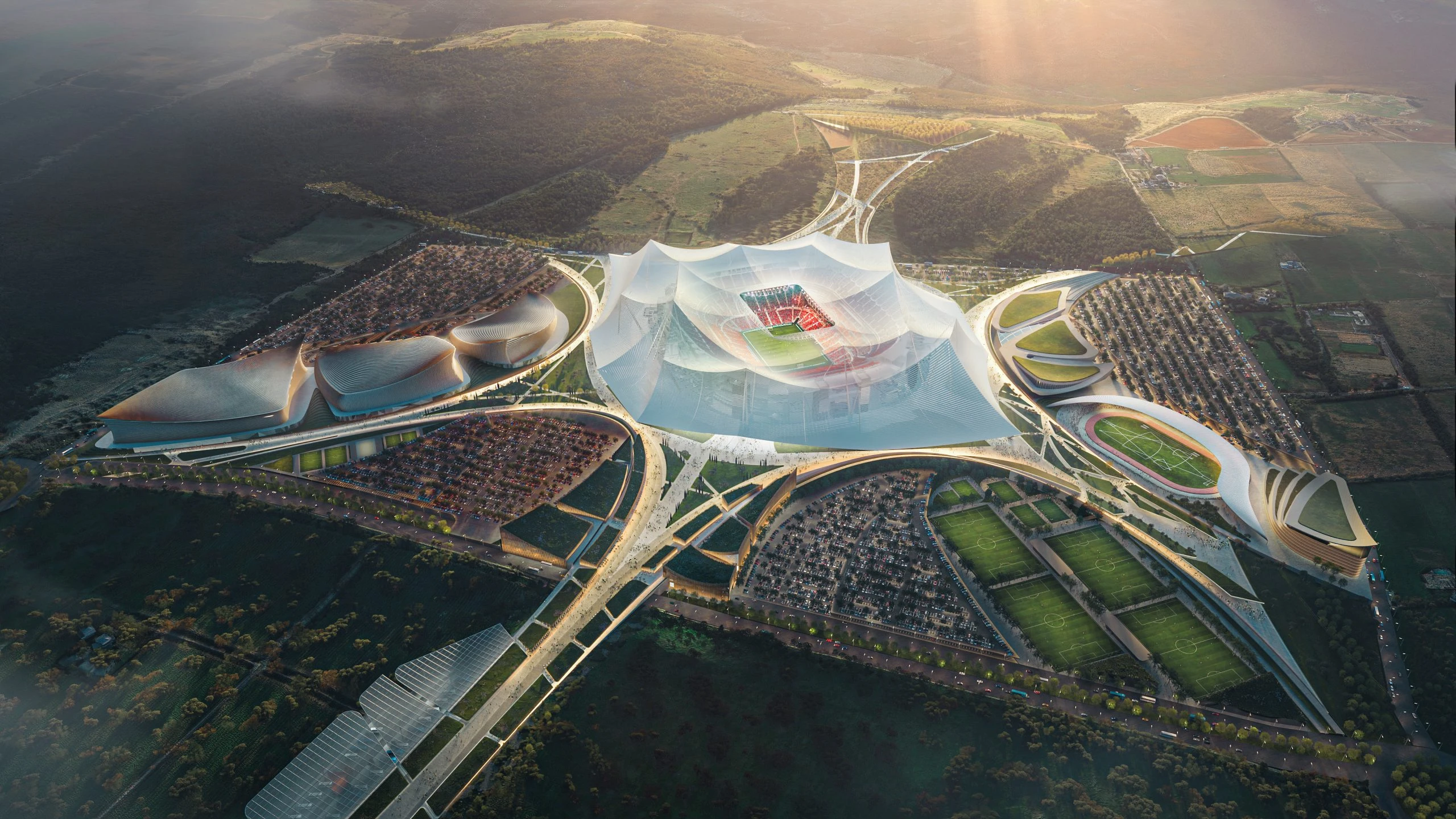
Hassan II Stadium
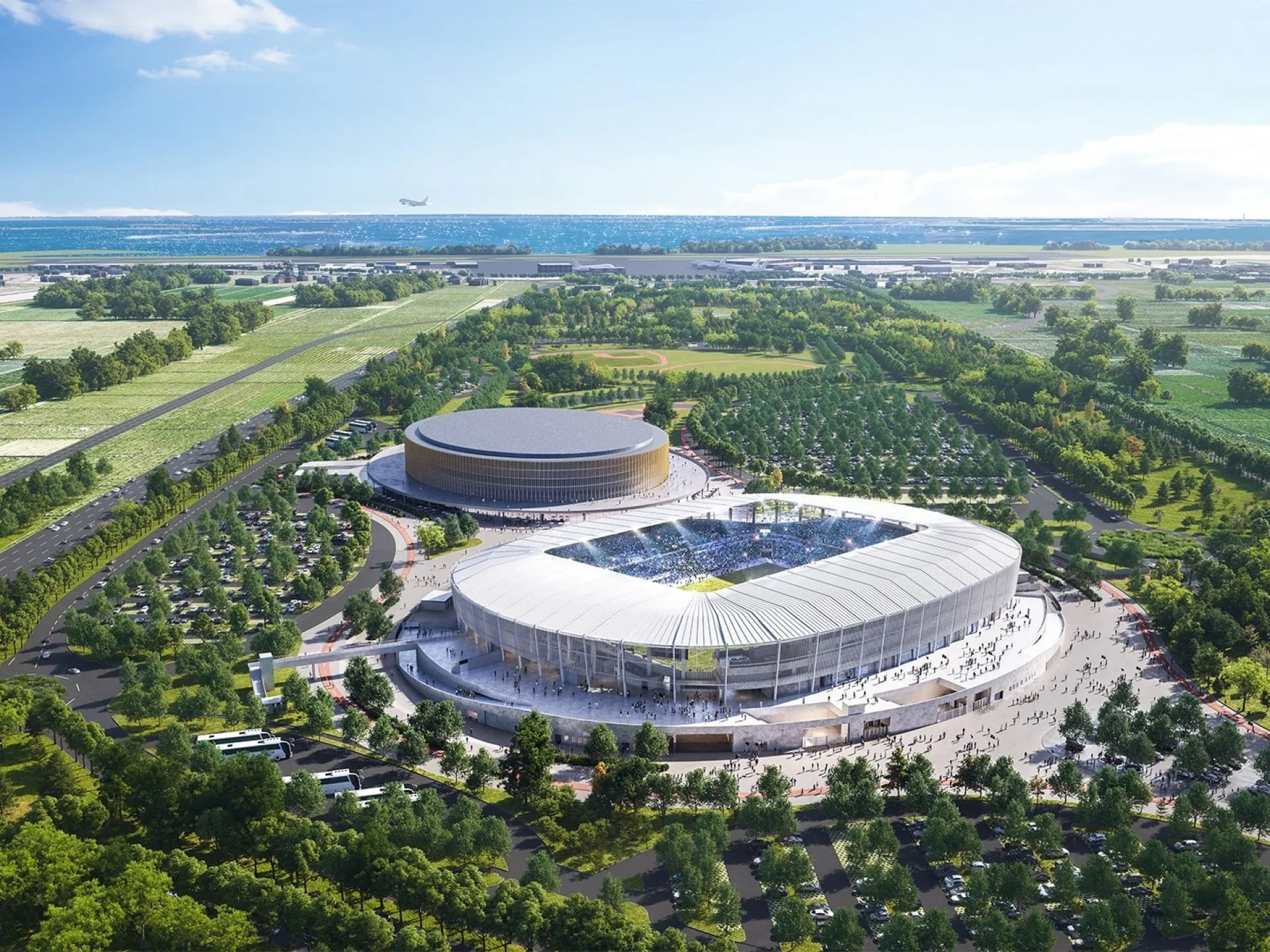
Large-scale public infrastructure reinforces the need to evaluate maintainability and long-term operating requirements early.
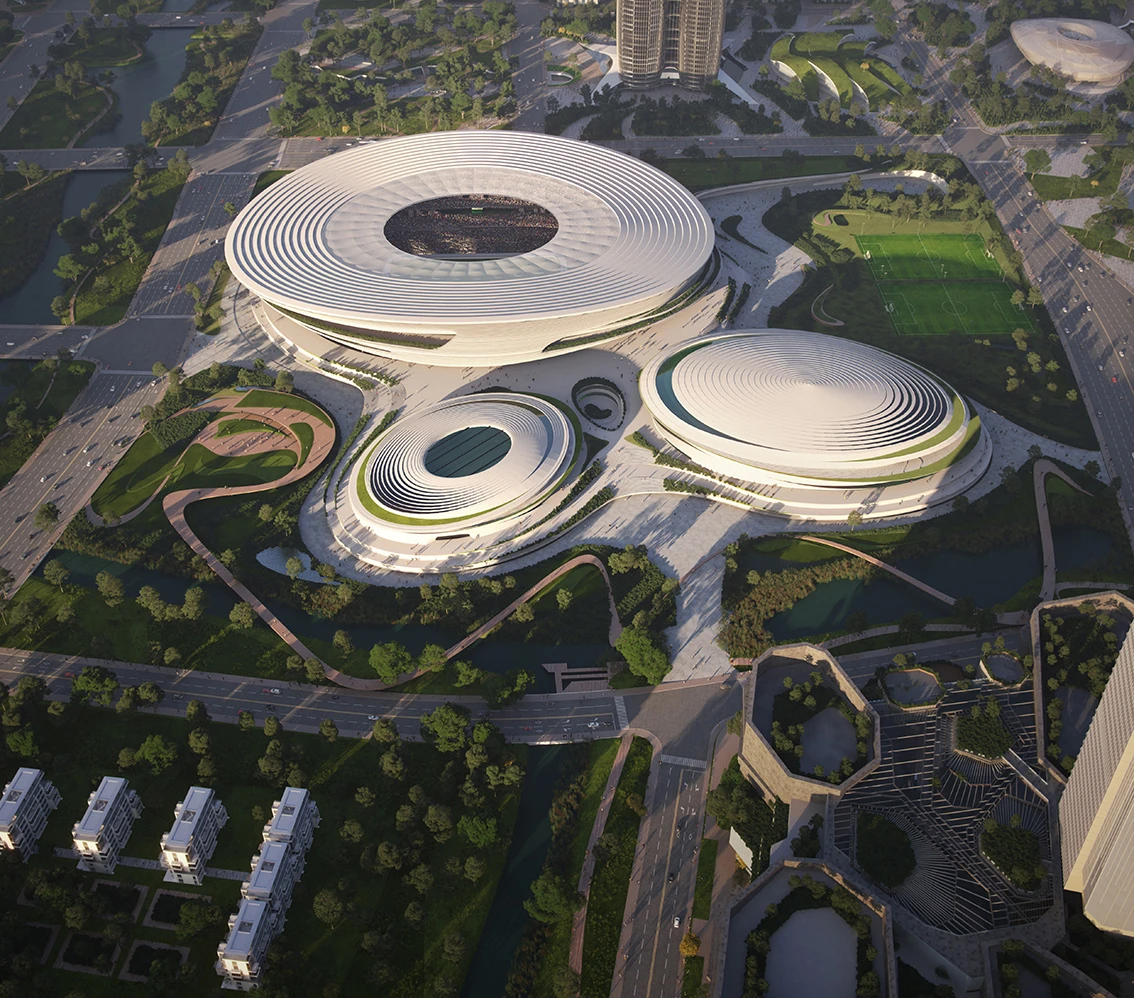
Hangzhou International Sports Centre
Complex venue programs make repeatable engineering standards and manageable service procedures increasingly important.
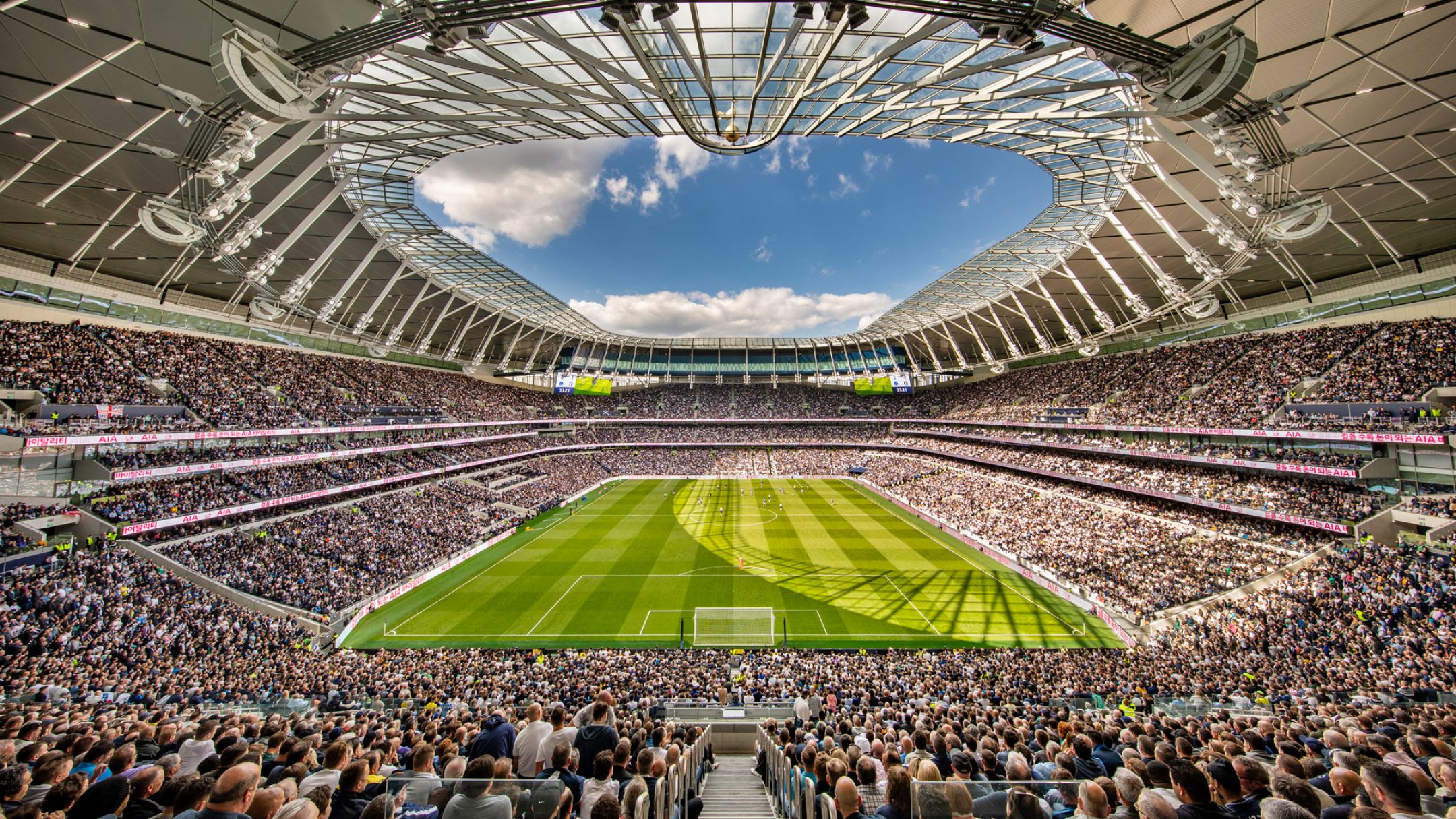
Tottenham Hotspur Stadium
Flexible event facilities demonstrate why infrastructure should be designed around long-term operation rather than one use condition.
Repeated Fixture Families Can Reduce Maintenance Complexity
High-traffic facilities often contain many restroom rooms and large quantities of faucets. Every additional sensor type, valve, power supply or service procedure increases the number of conditions facility teams must understand and support. Standardizing compatible fixture families can simplify service planning without requiring every public area to use the same architectural finish.

Standardized Wash Stations
Repeating a common fixture architecture can simplify spare parts, training and troubleshooting across multiple restroom zones.

Complete Restroom Coordination
Lifecycle planning is strongest when faucets, sanitary fixtures, circulation and service access are considered as one coordinated restroom environment.
Read More
Standardization may also reduce procurement complexity. When service requirements are predictable, facility teams can stock a controlled group of common replacement components rather than carrying many incompatible parts. Maintenance manuals and technician training also become easier to apply when procedures repeat across multiple locations.
Architectural finish can still vary between premium, public, hospitality and back-of-house spaces. The operational standard can remain consistent by keeping flow criteria, sensing principles, power arrangements and maintenance access as uniform as practical.
Water Efficiency Is a Recurring Operating Expense
In a high-use facility, water consumption should be considered across the entire faucet population. Automatic activation and shutoff can help control unnecessary run time by supplying water only during the intended handwashing period. The real benefit depends on the selected flow rate, pressure, sensor calibration and basin coordination.
Read More
False activation also has a lifecycle consequence. Unintended cycling wastes water and increases valve activity. A sensing range that is too short can create repeated attempts by users. Proper field adjustment therefore supports both operational efficiency and user experience.
Service Access Determines the Cost of Small Failures
A blocked filter, worn flow control, power interruption or solenoid issue may involve a relatively inexpensive component. Labor becomes expensive when technicians cannot reach that component without removing millwork, opening finished walls or shutting down multiple fixtures.
Read More
Isolation valves, filters, controllers, transformers, batteries, mixing devices and other routine service points should therefore be coordinated during design. Maintainability is part of the lifecycle specification, not an issue to solve after occupancy.
Long-Term Value Improves When Buildings Can Adapt
The same principle that applies to flexible stadium architecture also applies at restroom scale. Building owners gain value when individual systems can be serviced, modified or replaced without forcing broad demolition or unnecessary shutdowns.
Flexible Venue Infrastructure
Adaptability protects long-term value by allowing the facility to respond to changing operational demands.

Long-Term Public Asset
Public venues reinforce the importance of durable systems, maintainable components and planned renewal over the life of the building.
Fixture Availability Has an Operational Value
In a lightly used room, a single faucet out of service may create only minor inconvenience. In a stadium, theater, terminal or university venue during concentrated demand, unavailable stations can lengthen queues, overload adjacent restrooms and create additional work for facility teams.
- Provide local service isolation where practical.
- Keep filters and flow controls accessible.
- Standardize common service components.
- Record sensor settings during commissioning.
- Maintain a fixture and spare-parts register.
- Train facility personnel on normal troubleshooting.
- Review recurring failures for systemic causes.
- Recheck sensor performance after finish changes.
Write Maintainability Into the Construction Documents
Lifecycle performance is easier to protect when maintainability is addressed before procurement. The fixture schedule should identify the operating and service characteristics needed throughout the useful life of the building, not only the appearance of the faucet at installation.
Plumbing & Fixture Criteria
- Commercial mounting configuration
- Design flow rate
- Operating pressure range
- Inlet connection requirements
- Mixing strategy
- Replaceable flow control
- Accessible filtration
- Local service isolation
Electrical & Maintenance Criteria
- Sensor technology
- Automatic shutoff behavior
- AC, DC, battery or hybrid power
- Accessible solenoid
- Accessible transformer or battery
- Replaceable service components
- Commissioning requirements
- O&M documentation
Lifecycle Specification Principle
Commercial suitability should be confirmed with model-specific submittals. Review construction, sensor arrangement, power strategy, valve architecture, service access, certifications, replaceable components and current warranty information before procurement.
Good Commissioning Protects the Lifecycle Investment
Long-term service problems frequently begin as installation problems. Incorrect sensing distance, poor stream placement, inaccessible controls, excessive pressure or undocumented settings can create recurring service calls after occupancy.
| Commissioning Item | Field Check | Lifecycle Benefit |
|---|---|---|
| Sensor Detection | Test realistic hand positions and user approaches. | Reduces false activation and complaints. |
| Stream Placement | Confirm water lands within the intended basin zone. | Reduces splash and custodial burden. |
| Automatic Shutoff | Confirm predictable shutoff after hands leave the sensing field. | Protects water-control intent. |
| Pressure & Flow | Test multiple stations under realistic demand. | Reduces repeat troubleshooting. |
| Service Access | Demonstrate access to isolation, filter, power and valve components. | Reduces future service labor. |
| Turnover | Record model information and final settings. | Creates a reliable maintenance baseline. |
Read More
Commissioning should occur under finished lighting and surface conditions. Basin finish, mirrors, lighting and counter geometry may influence sensor performance in some installations. Testing the final environment produces a more useful operating baseline than relying only on factory settings.
Facility representatives should also understand how normal service components are reached. Turnover is most effective when staff know where isolation, filtration, power and control components are located before the first maintenance event occurs.
Large-Venue Context for Lifecycle Cost Planning
High-traffic stadium and entertainment projects provide useful context for understanding why durability, repeatability and maintenance access have financial significance at facility scale.

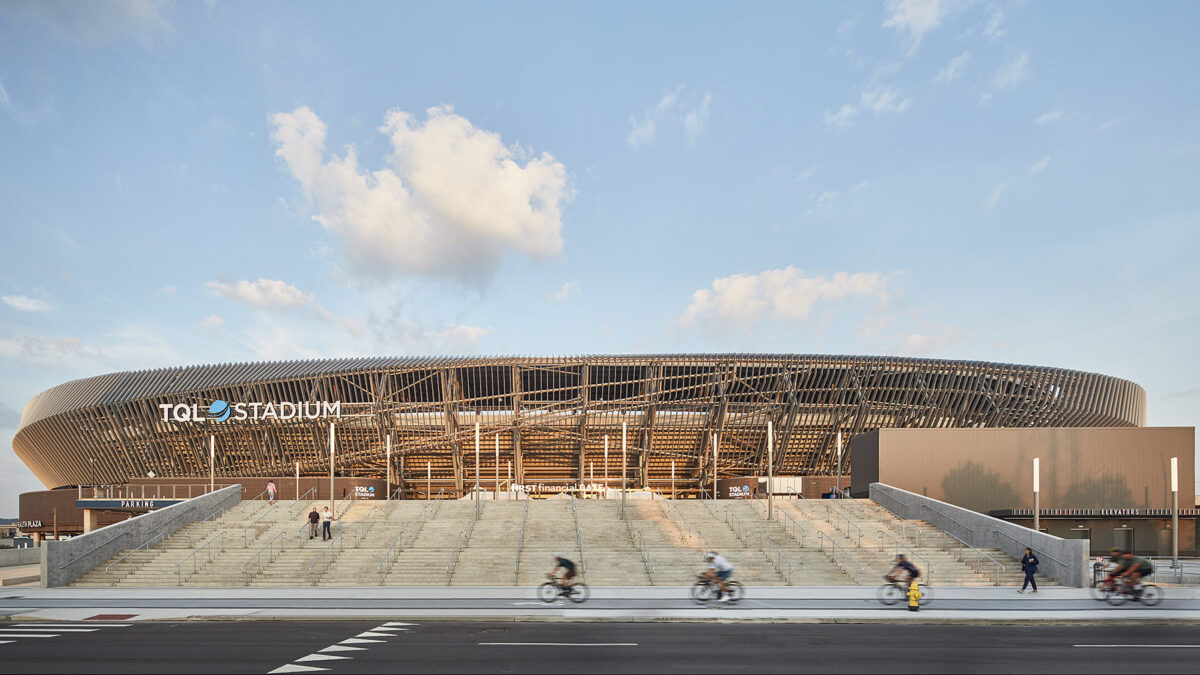
Fontana Touchless Faucets for the New Las Vegas MLB Stadium
Large fixture quantities make maintenance standardization and operating efficiency increasingly important.
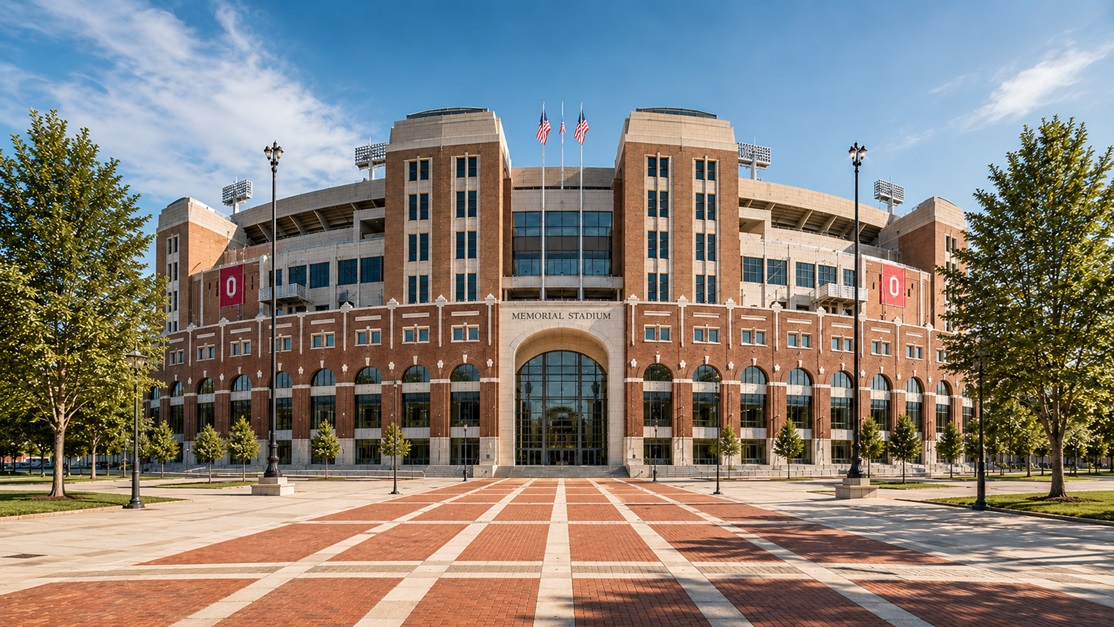
Chrome Touchless Faucets for Memorial Stadium
Peak event demand highlights the value of repeatable fixture and service standards.

Virginia Architectural Faucets
Performing-arts facilities combine architectural requirements with concentrated intermission traffic and long-term maintenance needs.

Hershey Theatre, Pennsylvania
Entertainment venues reinforce the value of maintainable systems that can support concentrated demand without unnecessary downtime.
Lifecycle, MEP and Large-Venue Restroom Resources
Additional engineering and facility-management resources are linked by title for a clean publication-ready presentation.
Read More Related Resources
Lifecycle Value Comes From Reliable Performance That Remains Serviceable
Commercial touchless faucet systems can offer meaningful lifecycle advantages when water control, sensor performance, service access, component replacement and fixture standardization are coordinated from the beginning of the project. The economic benefit is not created by touchless activation alone. It is produced by the interaction of durable hardware, controlled operation, maintainable components and disciplined facility practices.
For architects, MEP engineers and owners, procurement should therefore compare complete ownership conditions rather than isolated purchase prices. A system that can be commissioned correctly, serviced quickly, supported with repeatable components and kept operational over a long service period can reduce many of the recurring costs that dominate the life of a large commercial restroom.