
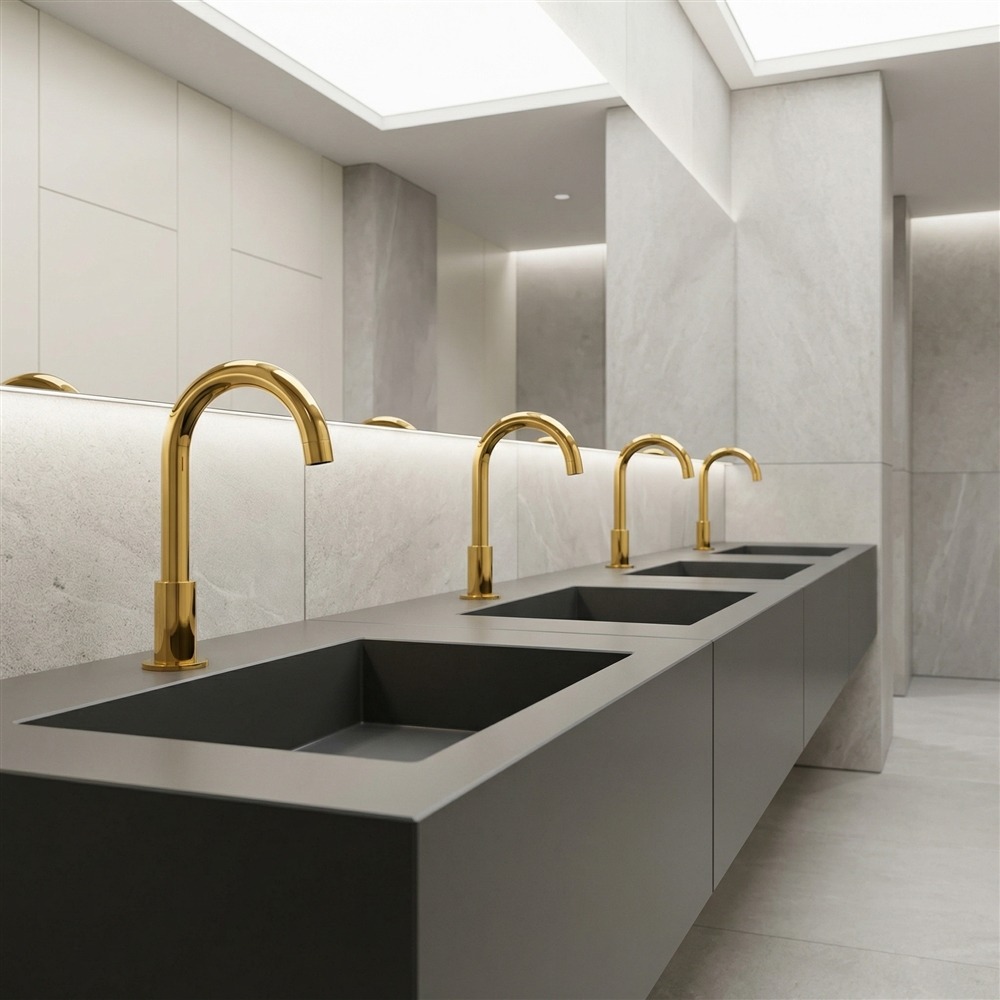
Coordinated Faucets, Soap Dispensers and Accessories
Contemporary architecture has moved into the age of integrated specification — where each visible and functional component contributes to an overarching design language. In washrooms, the philosophy is expressed in similar groups of faucets, soap dispensers, and accessories. Architects, interior designers, and facility engineers now address these items as interdependent systems instead of discrete pieces. The change is motivated by hygiene concerns, finish continuity, sustainability requirements, and ease of maintenance.
Read More

Wellness and Touchless Integration
Hygiene and behavior shaping
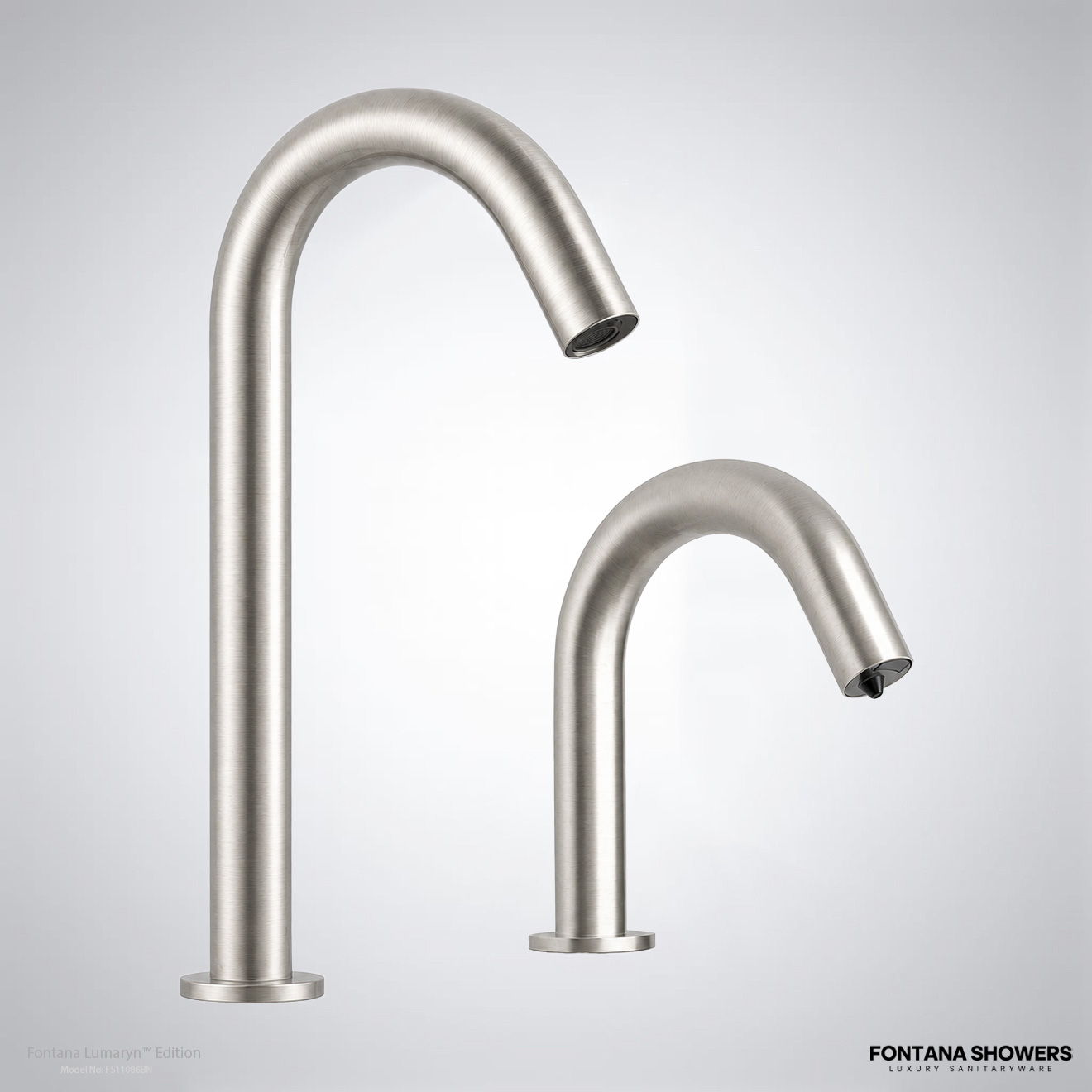
Touchless technology is not an innovation anymore — it’s an expectation. Synchronized systems ensure that faucets and soap dispensers react the same way to motion and distance, providing smoother user experiences in public or hospitality restrooms. One fine example is the sensor-based faucet and dispenser system for commercial settings, which incorporates power flexibility, sensor calibration, and easy top-fill refilling for maintenance personnel.
This development aligns well with user comfort and minimization of common touchpoints associated with the actual WELL Building Standard for Handwashing. By designing around coordinated fixtures, specifiers help owners meet these wellness and operational targets naturally.
Read More: Design consistency and intuitive interaction
Finish Cohesion and Brand Identity
Unified finishes as a design statement
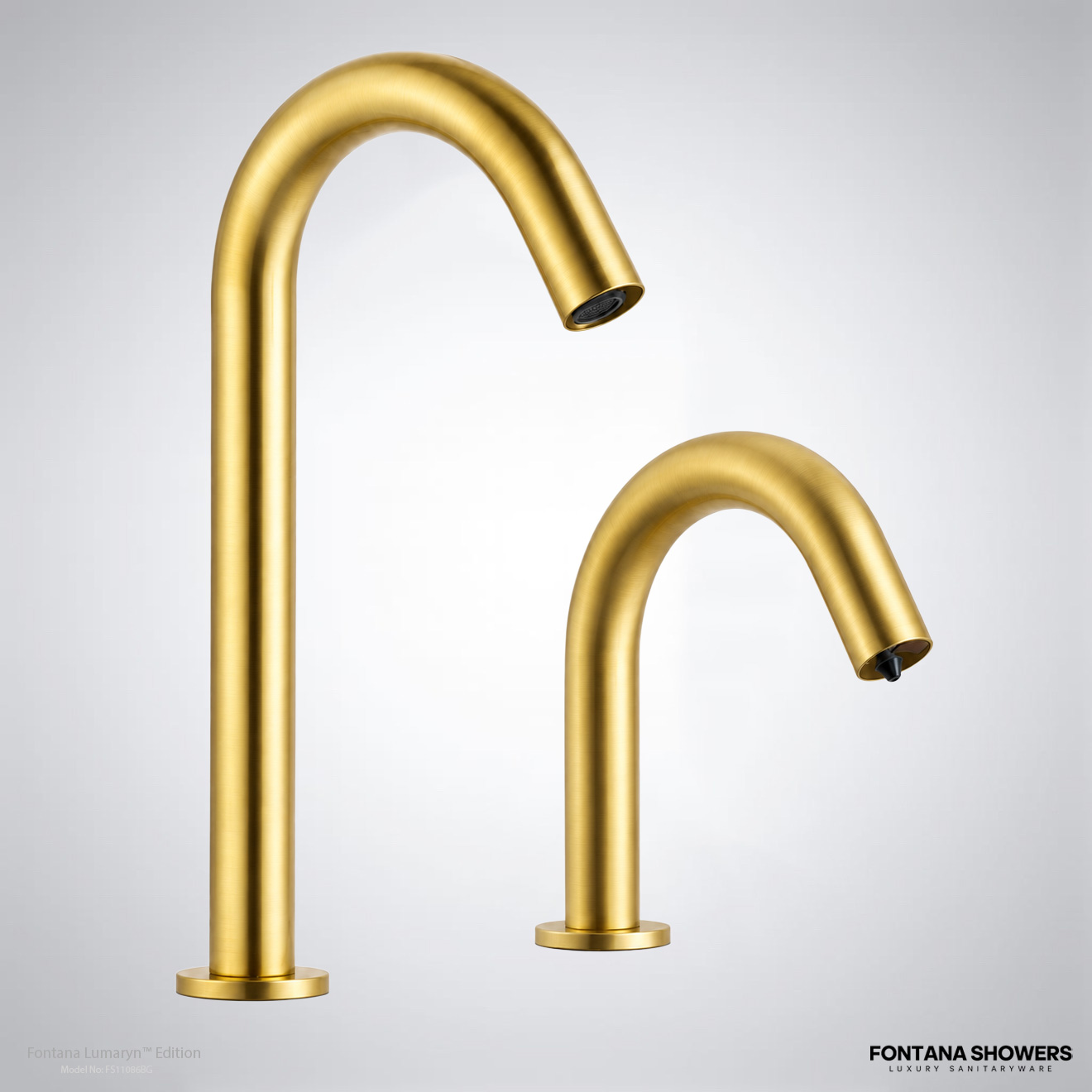
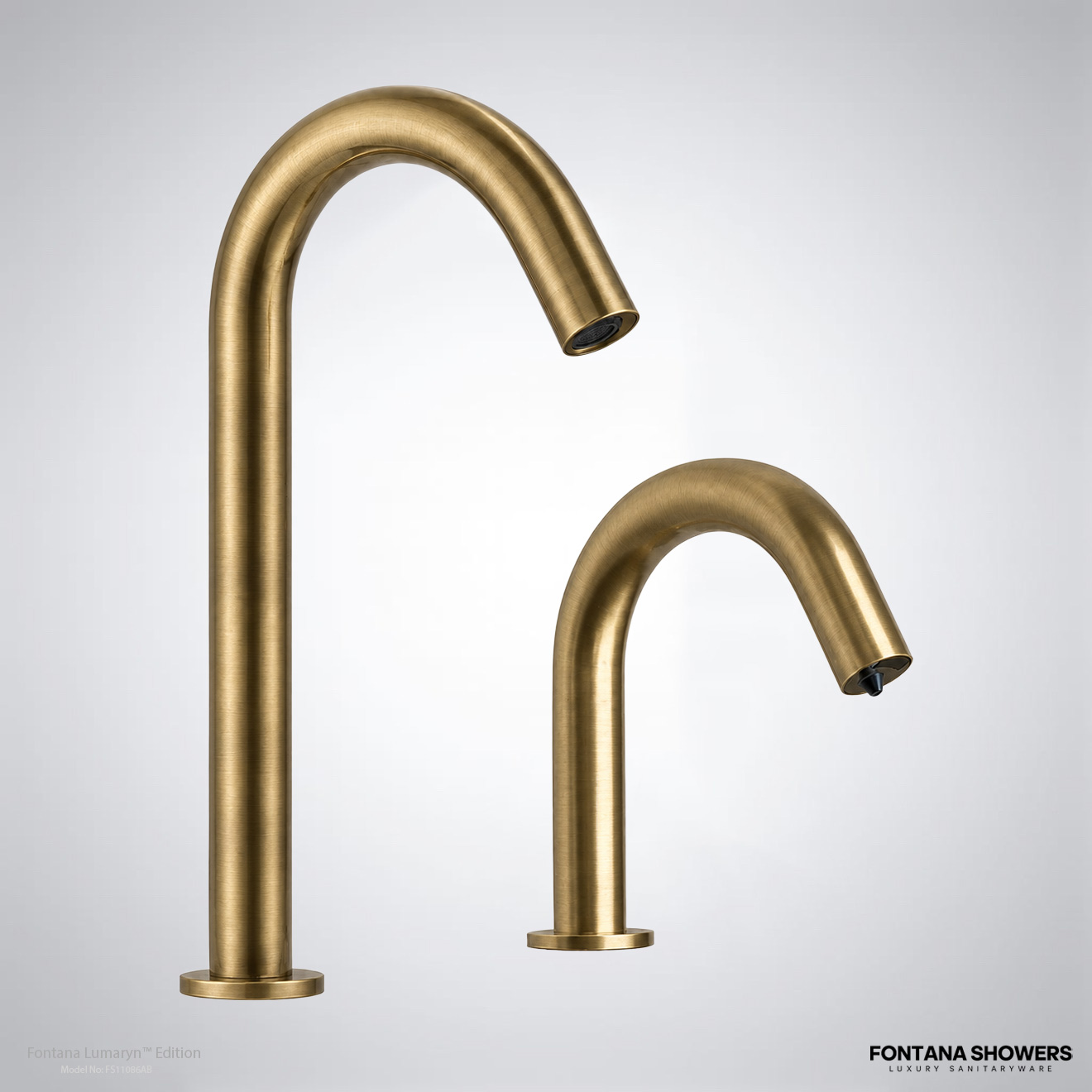
Specifiers now demand finish consistency on all surfaces visible — both for beauty and for branding. For corporate campuses and boutique hotels, even a streamlined palette speaks precision and quality. The shower and accessory set of brushed-gold metals designed for high-end interiors demonstrates how uniformed metal shades enrich the spatial narrative of high-end projects.
This trend is supported by an industry trend report on coordinated fixture suites with the comment that architects now often choose complementing families of products to maintain material rhythm across the building.
Read More: Balanced comparison

Lifecycle Cost and Operating Efficiency
Standardization for simpler maintenance
Building managers increasingly demand standardized components that make repair easier. Fixture families coordinated provide replaceable sensors, cartridges, and mounting hardware. The hospitality fixture program developed for big-box facilities illustrates this benefit, with standard maintenance kits and generic spare parts common to several fixture types.
Read More: Documentation integration and BIM relationship

Sustainability and Code Compliance
Performance assurance and flow-rate control
Plumbing product design is being revolutionized by environmental regulations. To satisfy EPA WaterSense performance requirements for faucets, the majority of architectural specifications now limit flow to 1.5 gpm or less without compromising functional wash efficiency. This achieves measurable water saving without compromising user satisfaction.
Read More: Long-term durability

User Experience and Spatial Continuity
Harmonious geometry and visual equilibrium
Complementary geometries of hardware—spout shapes, lever profiles, sensor bodies—provide visual unity in compact spaces. The wall-mount faucet and dispenser assembly for contemporary bathrooms is a fine example of how form and function come together to enable aesthetics and ergonomics.
Read More: Performance in high-traffic areas
Specifier Guidance for Coordinated Collections
Define fixture families by usage zone
Various rooms call for custom solutions:
Read More: Finish, documentation and maintainability
Fixture Collections Across Project Types
Coordinated product families can support consistent design language while responding to the operating needs of hospitality, healthcare, transportation, workplace and retail environments.
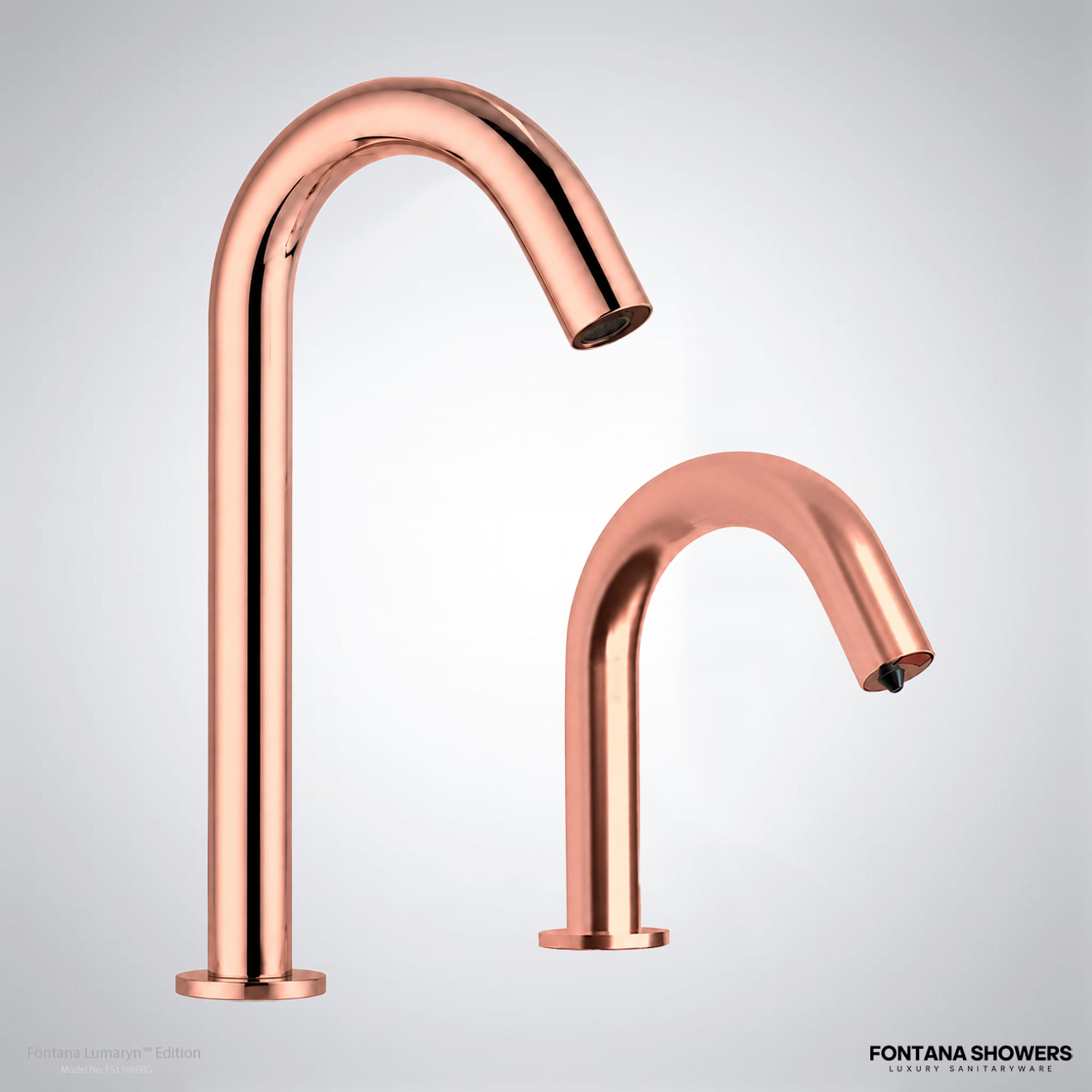 Hospitality fixture coordination
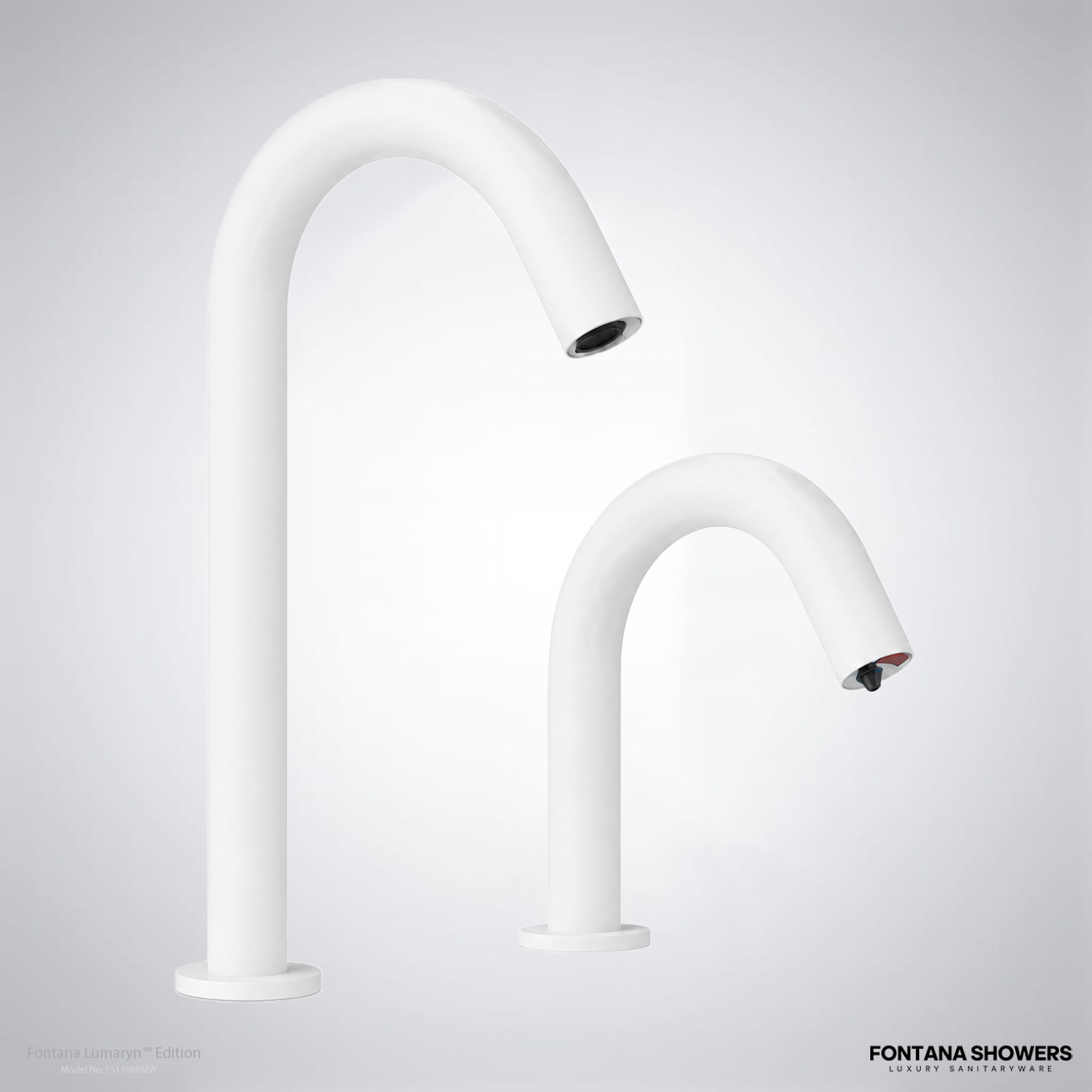 Healthcare touchless systems
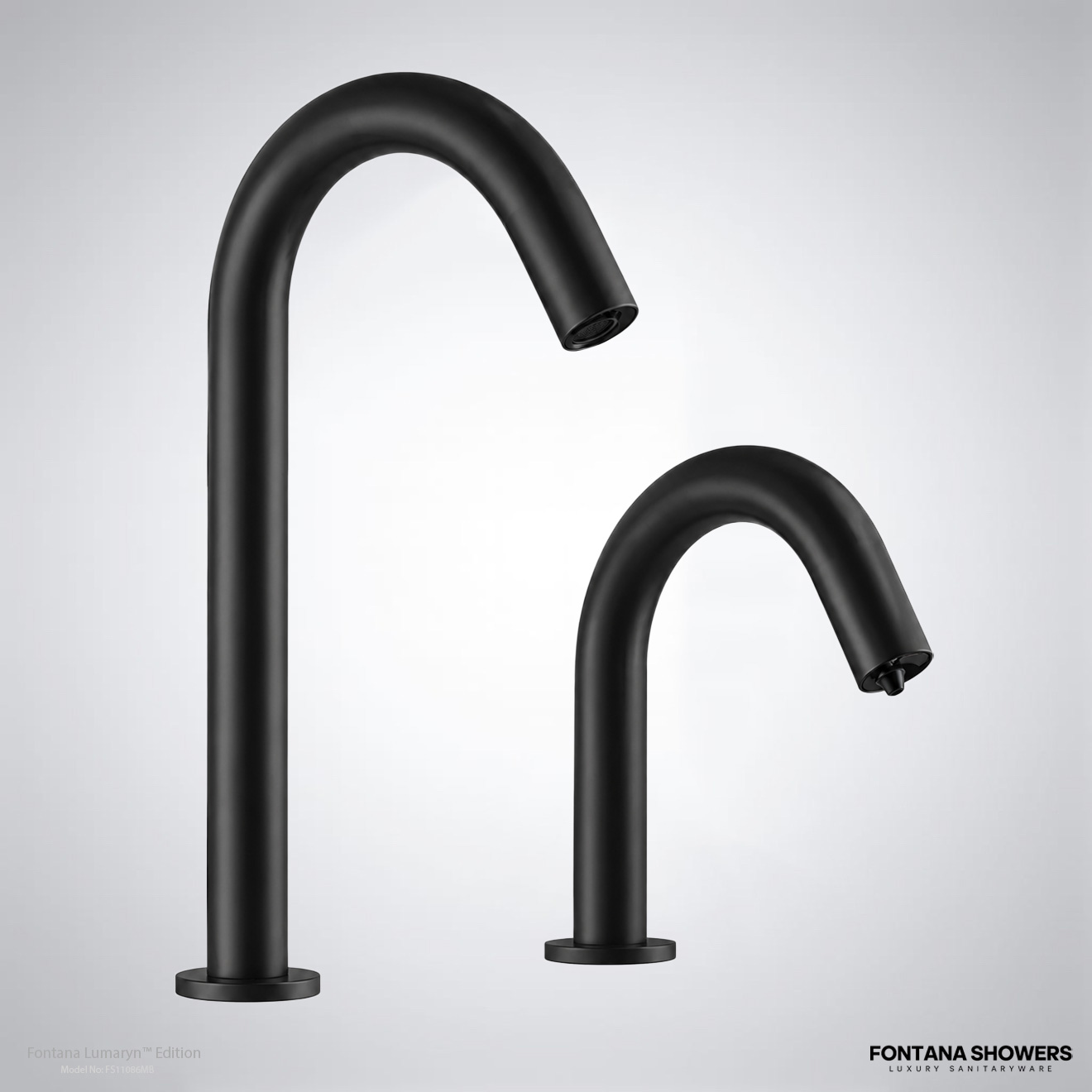 Transportation facilities
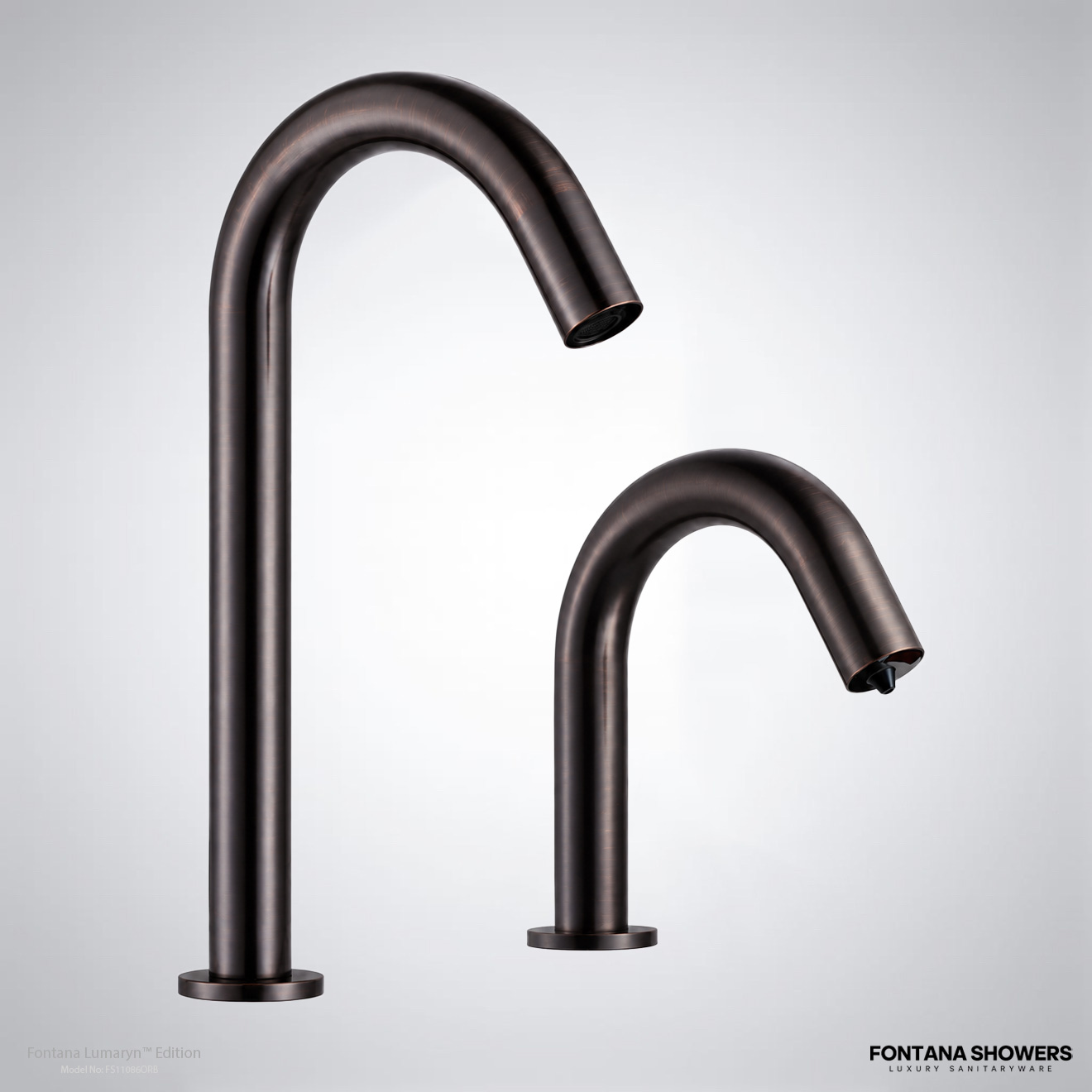 Corporate finish continuity
 BIM and specification coordination
 Retail restroom performance
Coordinated Collections Connect Design and Performance
The design world is leaving behind the days of incongruous fixtures. Carefully coordinated collections now shape excellence both in form and function. Design teams attain visual cohesion, technical compatibility, and compliance efficiency by specifying comprehensive families of faucets, soap dispensers, and accessories.
Read More
Matching Bathroom Collection Resources for Architects & Designers
Modern architectural projects increasingly specify coordinated faucets, soap dispensers,
accessories, and hardware collections to create visual consistency, simplify procurement,
and strengthen overall design identity.
- KOHLER coordinated bathroom collections support unified fixture specifications across hospitality and commercial projects.
- GROHE bathroom collections help designers maintain finish consistency across complete restroom environments.
- BathSelect bathroom accessories support matching faucets, hardware, and luxury bathroom coordination.
- Fontana Touchless Faucets provide coordinated touchless fixture solutions for modern commercial restrooms.
- DXV luxury bath collections demonstrate complete design-driven fixture and accessory families.
- hansgrohe bathroom systems support integrated bathroom styling and finish continuity.
- HBA hospitality design influences luxury guestroom and resort bathroom specification strategies.
- Gensler promotes cohesive design systems across workplace and hospitality projects.
- Yabu Pushelberg connects material palettes with coordinated fixture selection.
- WATG hospitality planning supports resort environments emphasizing design consistency and guest experience.
Coordinated collections help architects reduce specification complexity while delivering
stronger aesthetics, easier procurement, finish consistency, and long-term brand alignment.
Why Architects Are Specifying Matching Faucet, Soap Dispenser & Accessory Collections
One of the strongest trends influencing modern architectural restroom design is the growing preference for coordinated collections that unify faucets, soap dispensers, and accessories under a single design language. Architects increasingly specify integrated solutions because they create visual consistency, simplify maintenance, improve finish matching, and strengthen the overall user experience. The positive result is a restroom environment that reflects intentional design, operational efficiency, and long-term asset value. The negative alternative is a fragmented specification approach where mismatched fixtures, inconsistent finishes, and incompatible components diminish the appearance of otherwise premium spaces. Modern touchless bathroom faucets are frequently paired with coordinated dispensing systems to support hygiene, aesthetics, and lifecycle performance, while advanced options such as the touchless faucet with temperature control help create a more refined user experience. Facility teams can further maintain system consistency by utilizing resources such as automatic soap dispenser troubleshooting. Organizations including AIA Design for Health, ASID Research, WELL Building Standard, NSF Plumbing Certification, and EPA WaterSense continue to reinforce the importance of cohesive, high-performance restroom environments where design, hygiene, sustainability, and functionality work together as a unified specification strategy.
